Dairy ClinicDairy process consulting Request a review

Condensed milk · Texture & shelf life

Sandy Sweetened Condensed Milk: Lactose Crystal Fix

Short answer

Sweetened condensed milk feels sandy when lactose crystals grow too large to stay invisible on the tongue; the usual target is below about 10 µm. Large crystals come from weak seeding with fine lactose, the wrong seeding temperature, or poor cooling and agitation during forced crystallization. Thickening and browning over shelf life are often tracked together, because both depend on composition, heat load and storage temperature.

Updated:

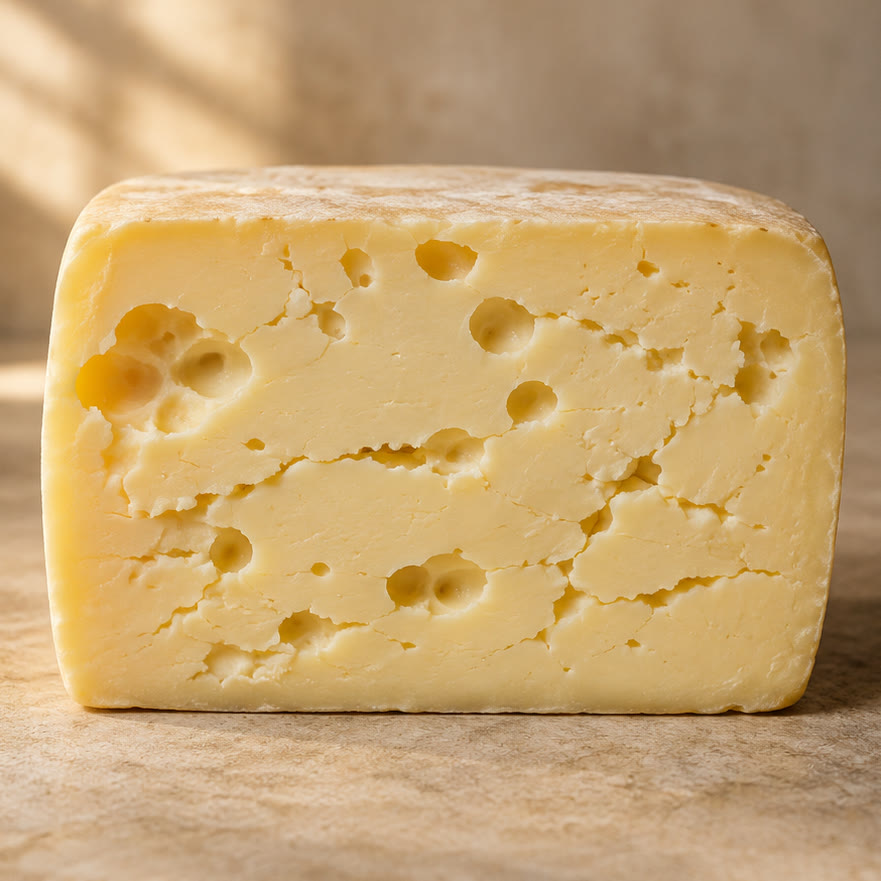
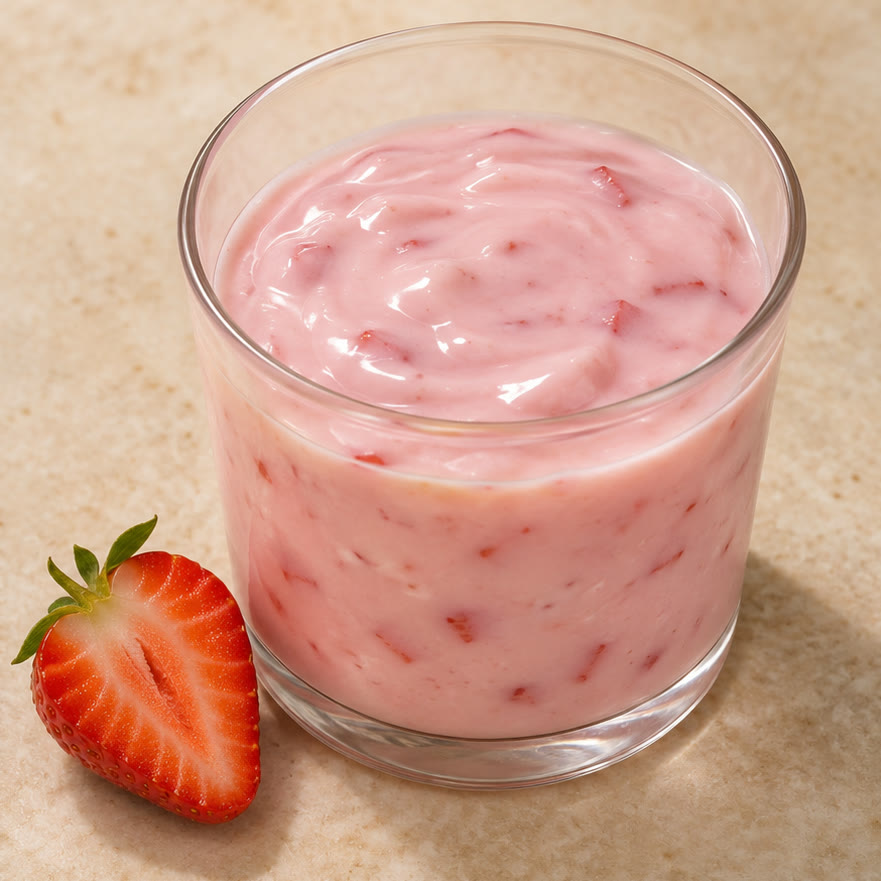
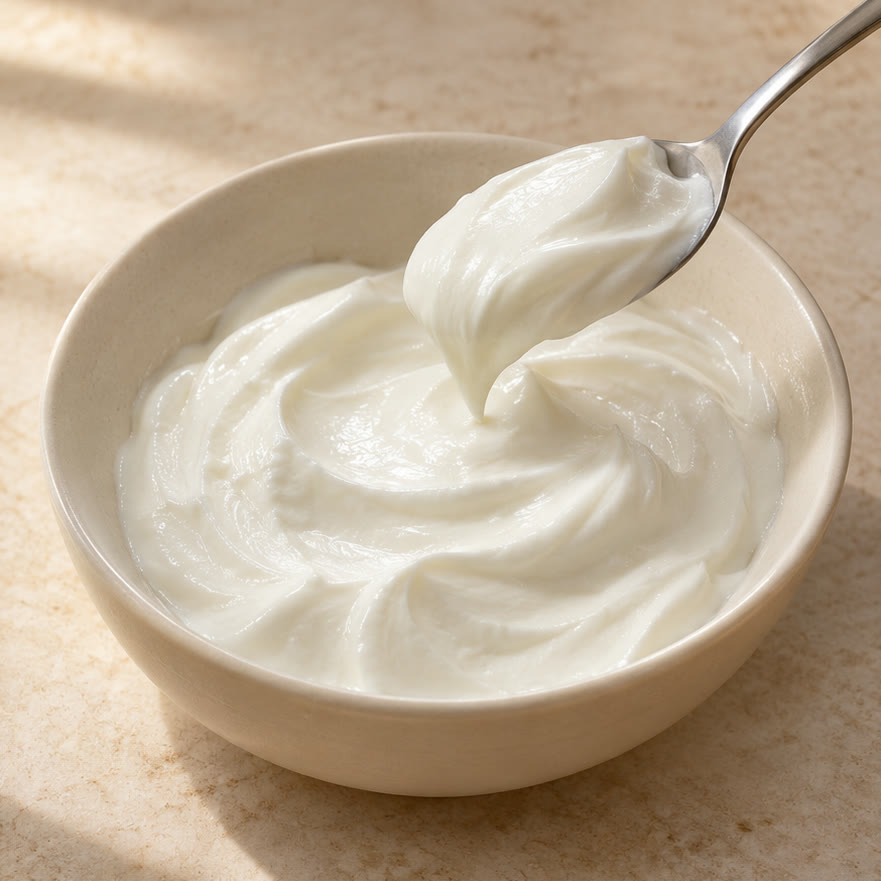
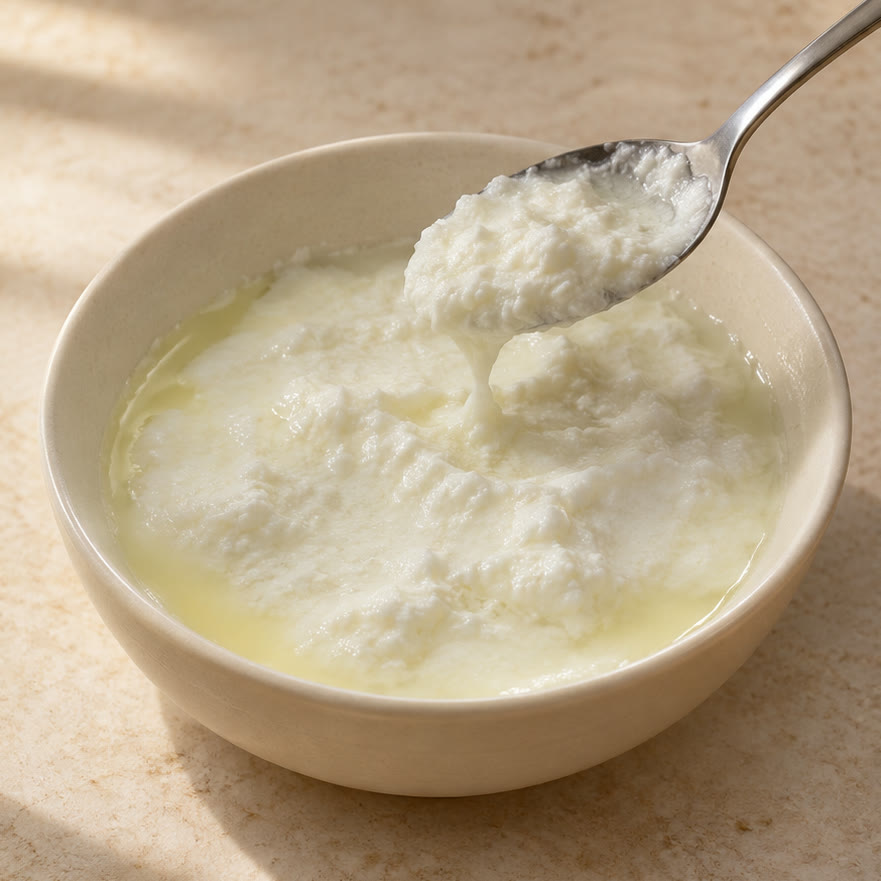
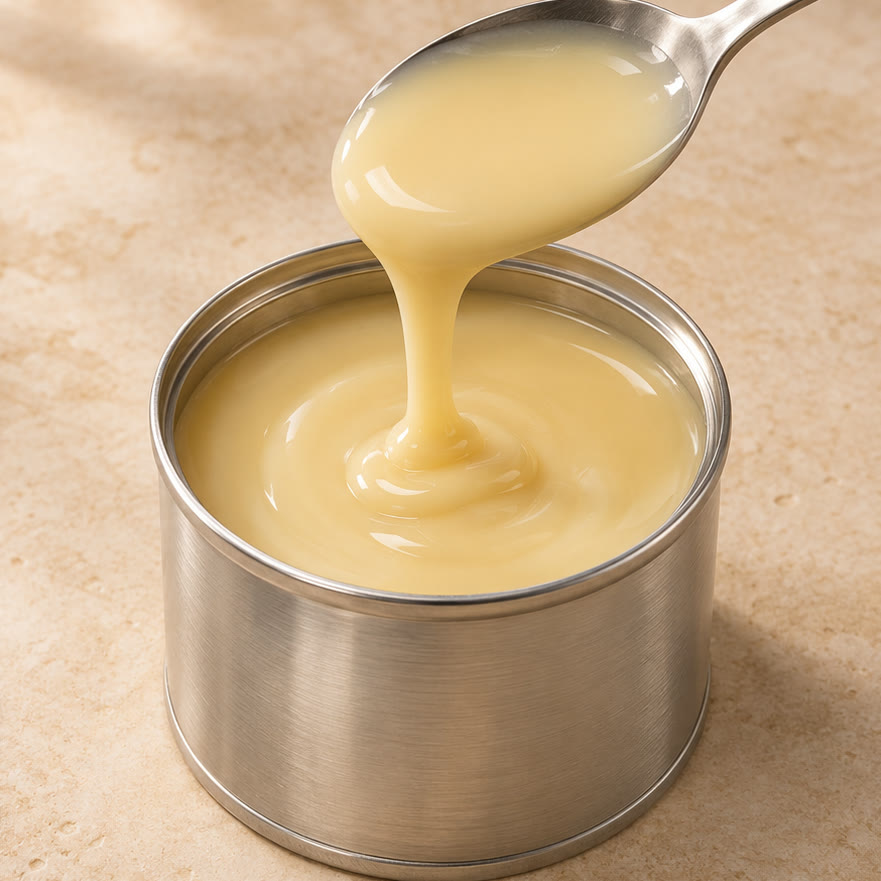
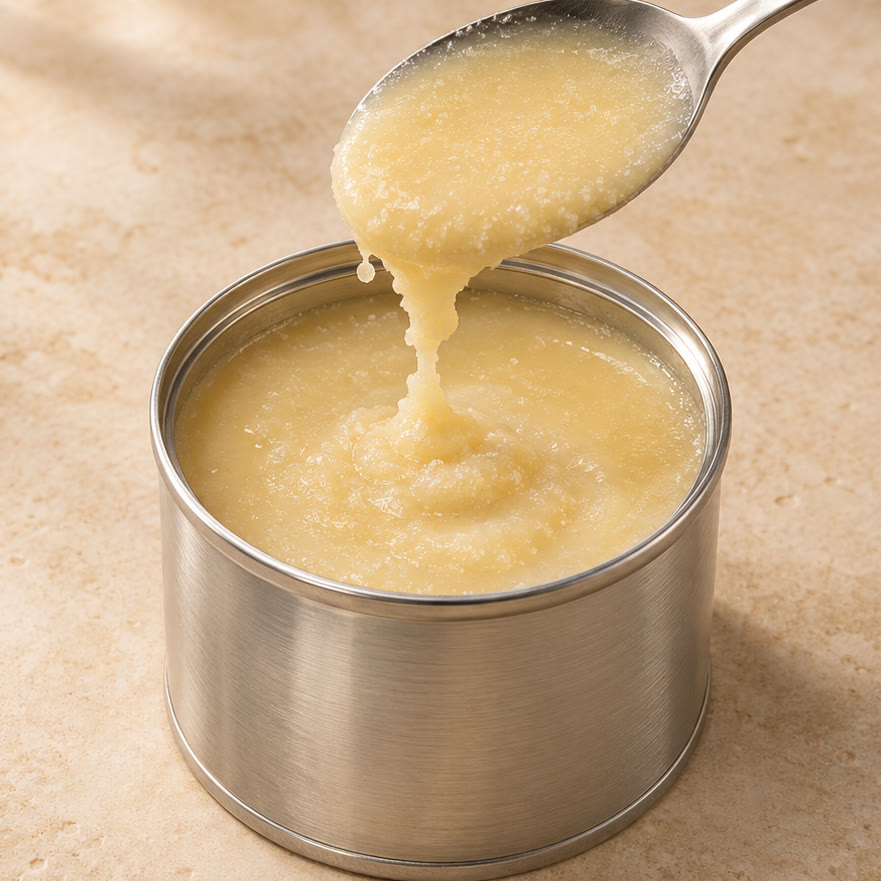
Target: smooth, glossy sweetened condensed milk flowing in a ribbon from the spoon. Defect: sandy, grainy sweetened condensed milk with visible lactose crystals. Current issueTarget
Plate E · Sweetened condensed milk, 3 months at 77 °F / 25 °CSandy vs. smooth

Condensed milk · Texture & shelf life

Sweetened condensed milk that turns sandy

  1. 1A gritty, sandy feel on the tongue from oversized lactose crystals
  2. 2A dull, grainy surface instead of a glossy, even body
  3. 3Thickening, sugar sediment or browning over shelf life
Usual causes
Missing or weak lactose seeding, wrong seeding temperature, slow or uneven forced cooling, too little agitation during crystallization, high storage temperature, sugar-to-water ratio off target
What we review
Crystal size under the microscope (target below 10 µm), seeding dose and point, cooling curves, sucrose and total solids, viscosity over age, color and storage temperature records
Typical levers
Seed lactose quality and dose, crystallization temperature profile, cooler and agitator settings, sugar ratio and preheating, storage and distribution temperature limits
Discuss a similar challenge on WhatsApp ↗

Start a conversation

Seeing this on your line?

Send us the product and what you see. We reply within one business day.

WhatsApp