Dairy ClinicDairy process consulting Request a review

Greek yogurt · Texture & yield

Grainy Greek Yogurt: Causes of Chalky, Weepy Texture

Short answer

Greek (strained) yogurt turns grainy or chalky when protein is aggregated too coarsely, usually from the protein standardization, the milk heat treatment, the pH at which the curd is broken, or separator and ultrafiltration settings. Weeping and low strained yield often share the same cause. A smoothing step after straining helps, but the lasting fix is in the upstream parameters.

Updated:

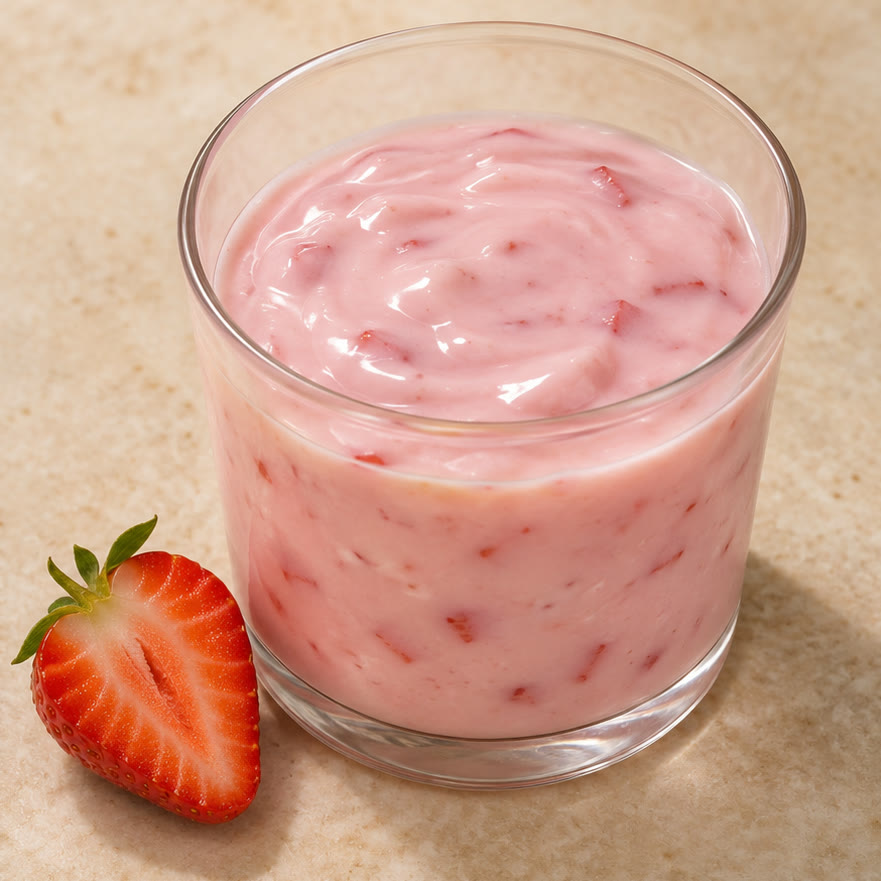
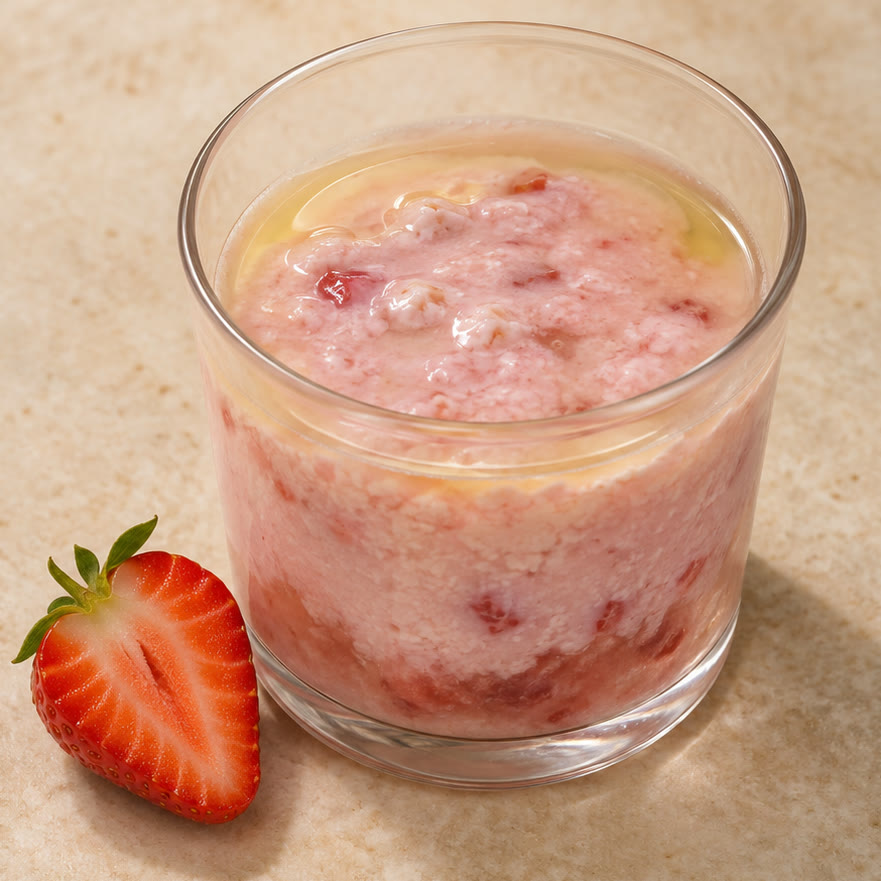
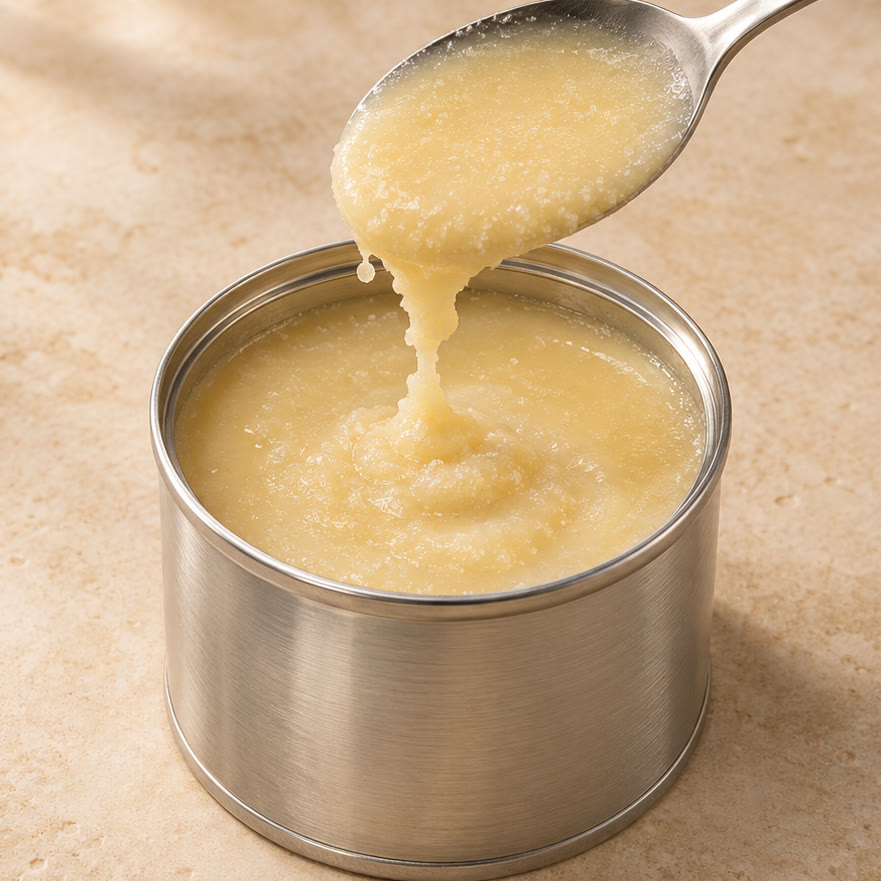
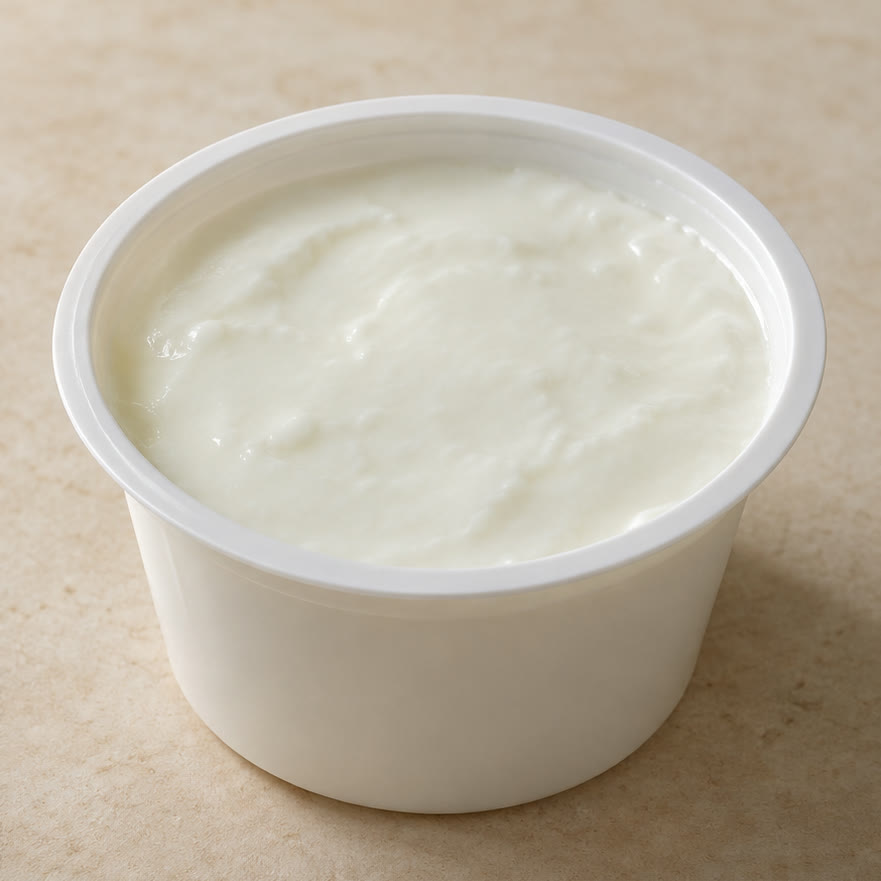
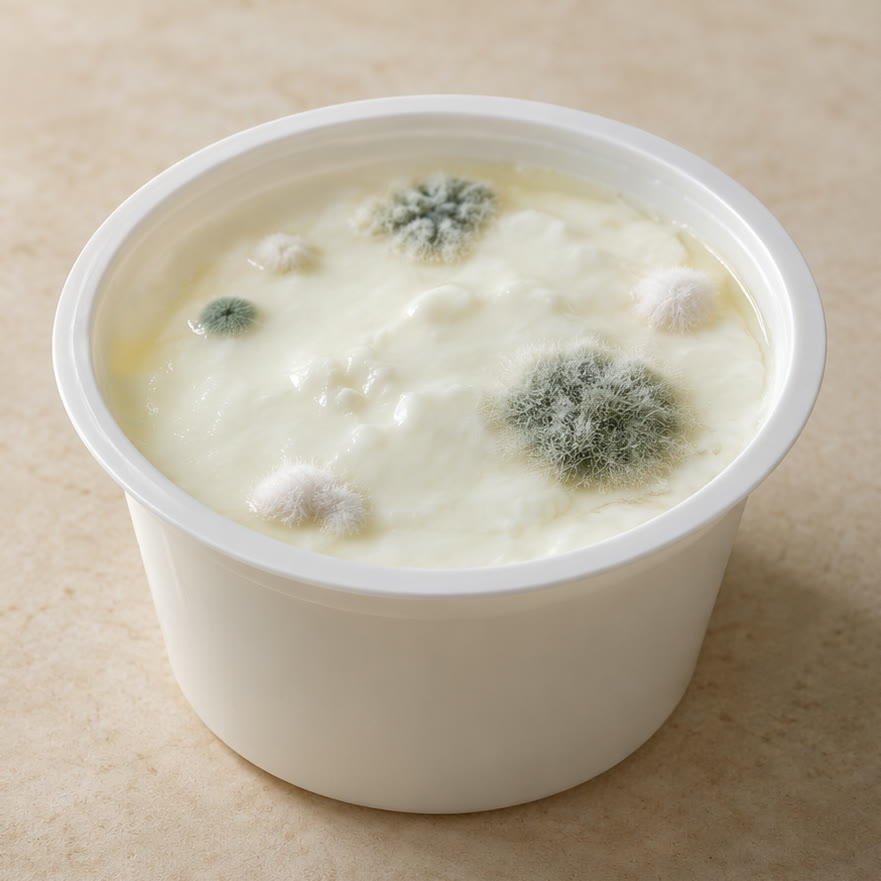
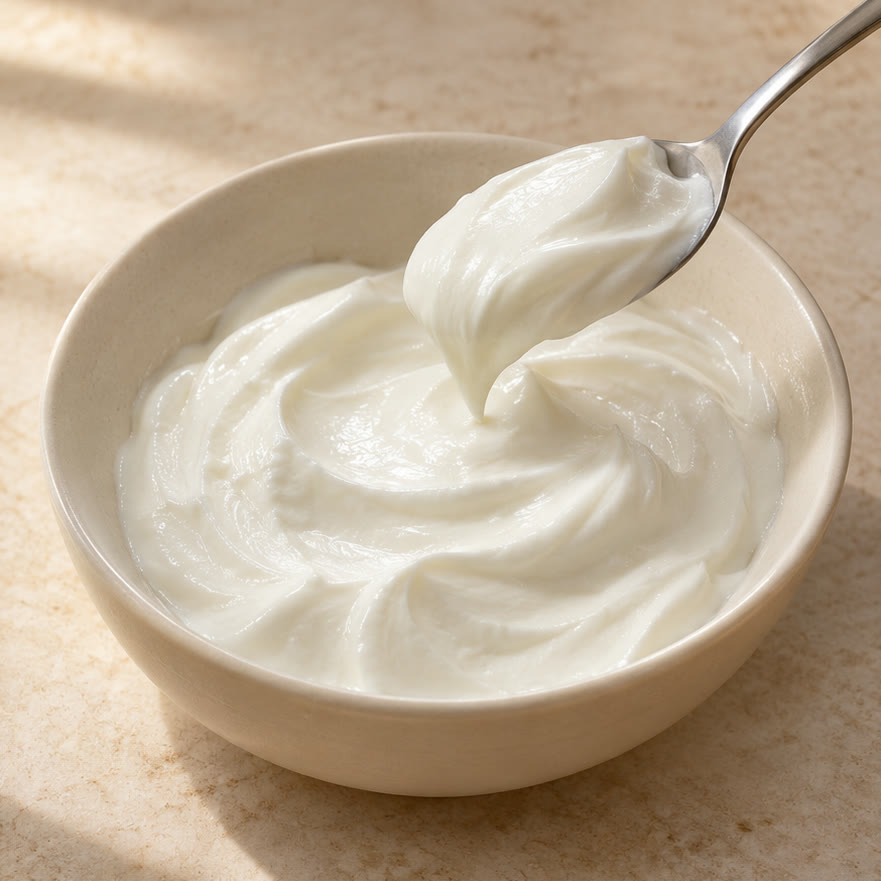
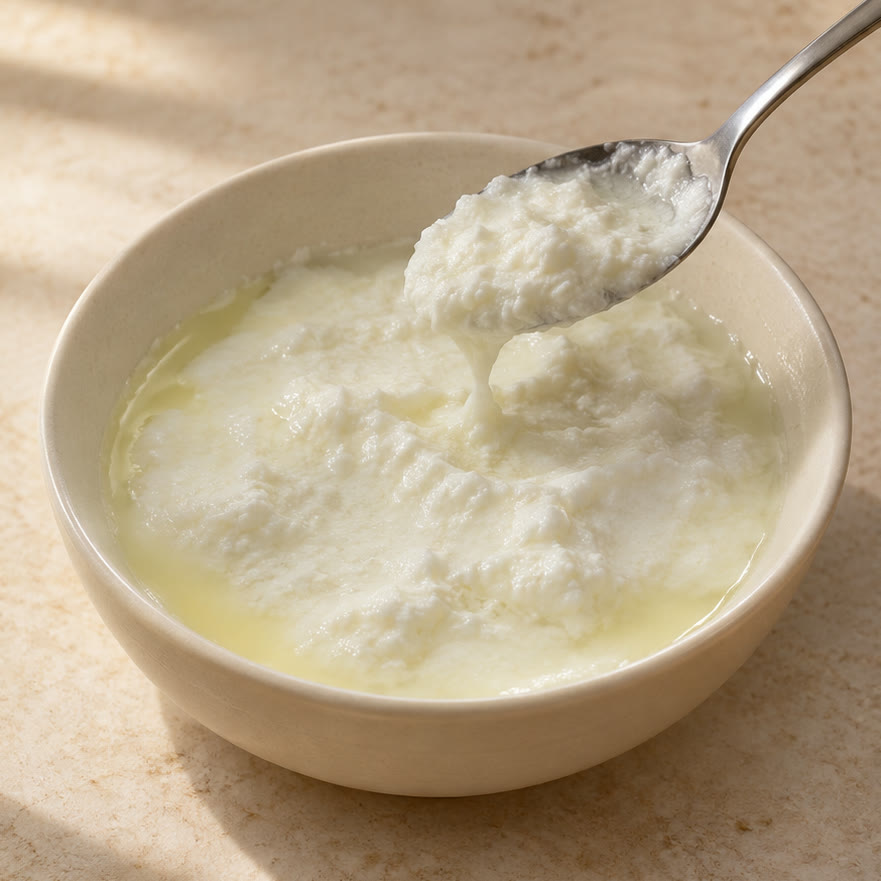
Target: thick, smooth, glossy Greek yogurt that holds its shape on the spoon. Defect: grainy, lumpy Greek yogurt with whey pooling around the edges of the bowl. Current issueTarget
Plate D · Strained Greek yogurt, day 14 at 40 °F / 4 °CGrainy and weepy vs. dense and smooth

Greek yogurt · Texture & yield

Greek yogurt that turns grainy, thin or weepy

  1. 1Whey weeping around the edges of the cup and under the spoon
  2. 2Grainy, chalky texture instead of a smooth, dense body
  3. 3Lumpy, crumbly curd that won't hold a peak; low strained yield
Usual causes
Protein standardization off target, weak milk heat treatment, over-acidification before separation, separator or UF settings, too little smoothing after straining, slow cooling of the strained mass
What we review
Mix protein and total solids, heat-hold records, break pH and fermentation curves, separator or UF logs, smoothing unit pressure, viscosity and syneresis tests, strained yield and acid whey volume
Typical levers
Protein and solids targets, heat-hold time and temperature, break pH, separator and UF settings, smoothing pressure and temperature, cooling profile, yield tracking per lot
Discuss a similar challenge on WhatsApp ↗

Start a conversation

Seeing this on your line?

Send us the product and what you see. We reply within one business day.

WhatsApp