 Current issueTarget
Microbiology · Kashar cheese
Kashar and cut cheese that grows mold in the pack
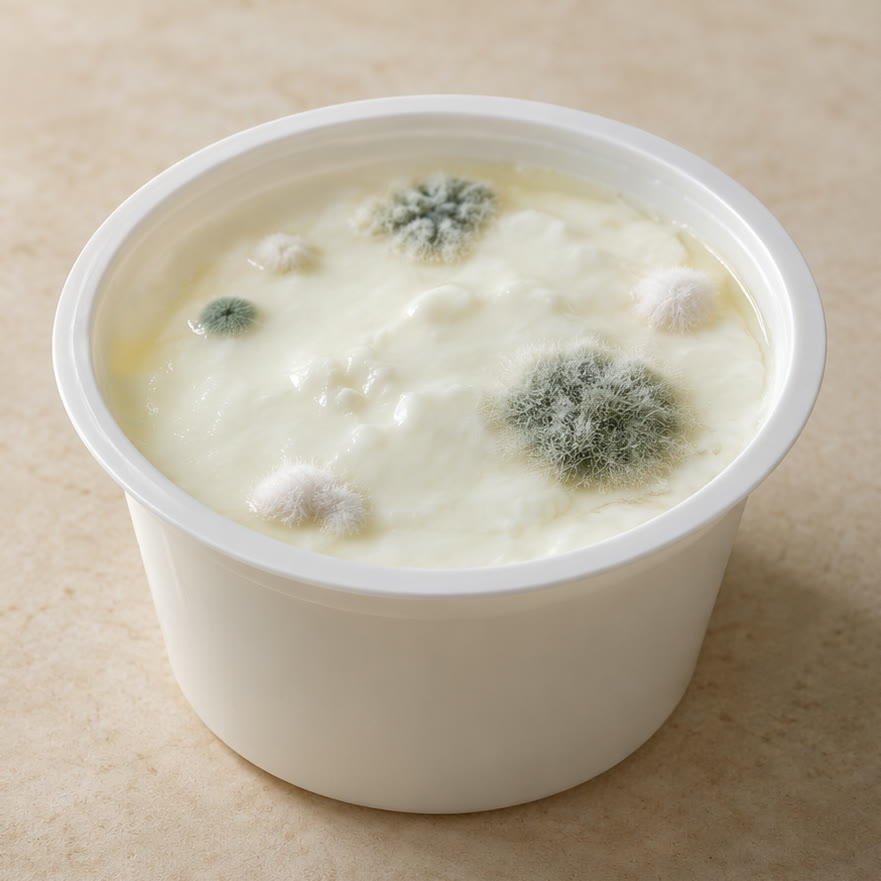
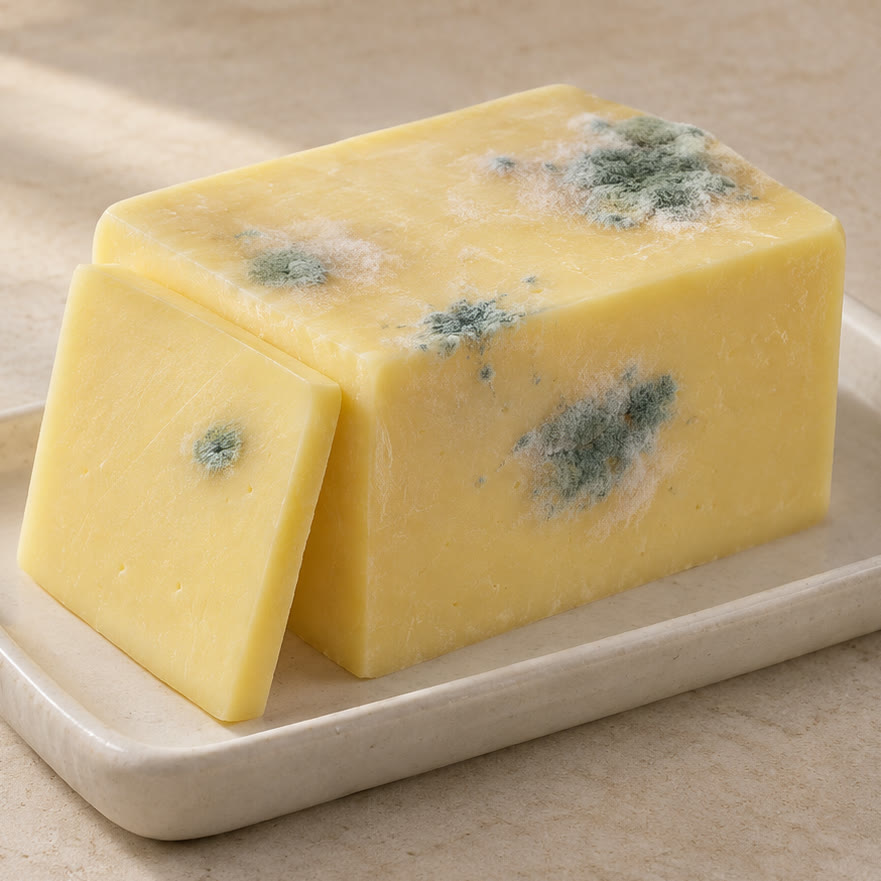
- 1Blue-green mold colonies on the top and sides of the block
- 2Spots on freshly cut faces and slices, often days after packing
- 3White, fuzzy growth around edges and pack creases; musty off-odor
- Usual causes
- Airborne mold spores in cutting and packing rooms, tools and slicers, pinholes or weak vacuum in packs, condensation from warm-to-cold moves, surface moisture before packing, humid cold stores
- What we review
- Air settle plates and swabs by zone, yeast and mold counts (CFU/g) on product and contact surfaces, vacuum and seal integrity checks, room temperature and humidity logs, time from cutting to sealing, complaint dates by lot
- Typical levers
- Hygienic zoning and air filtration in cutting areas, cleaning and sanitizing of slicers, drier surfaces before packing, better vacuum or modified atmosphere, permitted surface treatments with labeling checked for each market, cold-chain limits